
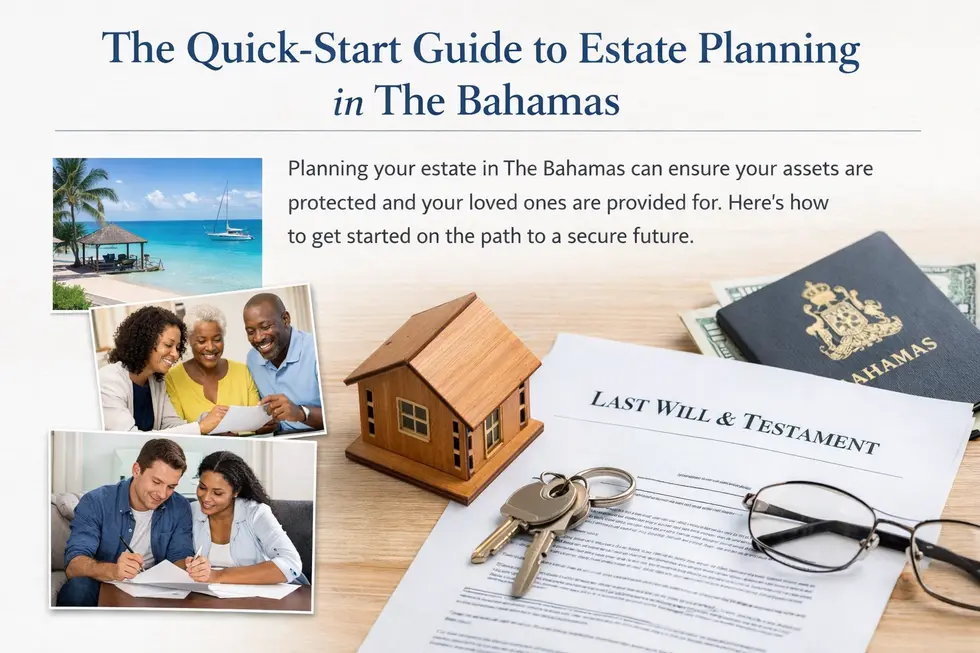
Do you know what would happen to your home, your business, or your bank account if you weren't here tomorrow? It is a question most of us prefer to push to the back of our minds. We tell ourselves we'll handle it "eventually": when we're older, when the business is bigger, or when life slows down.
But here is the reality: estate planning isn't just about what happens after you're gone; it's about providing peace of mind for you and your loved ones right now. In The Bahamas, we are fortunate to live in a jurisdiction with no estate, inheritance, or capital gains taxes, making it an incredible place to build and preserve wealth. However, without a clear plan, your assets can become tied up in the Supreme Court for years, leaving your family in a difficult spot.
Whether you are a Bahamian looking to protect generational property or an international investor securing your offshore interests, this guide is your high-level roadmap. We've broken it down into five manageable steps to get you from "I need to do that" to "It's all taken care of."
Step 1: The Personal Audit (Knowing What You Own)
Before you can decide who gets what, you need a crystal-clear picture of what "what" actually is. Many people underestimate the size of their estate because they only think of big-ticket items like a house or a car.

A thorough audit involves more than just a glance at your bank balance. You should create a comprehensive list that includes:
- Real Estate: Primary residences, family land, and investment properties (including any interests in "generational land").
- Financial Assets: Savings accounts, fixed deposits, shares and credit union accounts.
- Business Interests: Shares in Bahamian companies or local partnerships.
- Digital Assets: This is the modern frontier. Think about cryptocurrency wallets, monetized social media accounts, and even high-value domain names.
- Personal Effects: Jewelry, art, and family heirlooms that hold both financial and sentimental value.
Don't forget the "liabilities" side of the coin. List your mortgages, personal loans, and any outstanding business debts. Having this information ready not only saves time but ensures your legal advisor can provide the most accurate strategy for your specific situation.
Step 2: Professional Consultation (Choosing Your Strategy)
Once you have your inventory, it is time to sit down with a professional. This is where we move from a list of items to a legal strategy. In The Bahamas, there are two primary paths you might take: a Will or a Trust.
The Will (Last Will and Testament)
A Will is a legal document that outlines how you want your assets distributed and who should manage the process (your Executor). It is the most common starting point. However, keep in mind that a Will must go through Probate: a court process where the Supreme Court validates the document before assets can be transferred.
The Trust
For those seeking more privacy and a way to avoid specific assets going through the probate process entirely, a Bahamian Trust is a powerful tool. In 2011, The Bahamas updated its laws to allow for "perpetual duration" trusts, meaning your legacy can technically last forever. Trusts are excellent for international investors because they offer a "firewall" against foreign claims and allow for immediate asset management upon your passing without waiting for court approval.
During your consultation at Gonsalves-Sabola Chambers, we look at your goals. Are you trying to protect a minor child or other dependent family member? Are you worried about business continuity? Are you an international investor looking for the benefits of doing business in The Bahamas? The answers to these questions determine which legal structure fits your life.
Step 3: The Drafting Phase (Turning Intent into Legality)
This is the "nuts and bolts" phase. Your attorney will take your wishes and objectives and translate them into a document that stands up in a Bahamian court. This phase requires you to make some big decisions:
- Choosing an Executor or Trustee: This should be someone you trust implicitly: someone who is organized, reliable, and ideally, comfortable handling financial matters.
- Appointing Guardians: If you have children under 18, this is the most important part of your plan. Who will raise them if you cannot?
- Defining Beneficiaries: Be specific. In The Bahamas, the law does not recognize "common law" marriages for inheritance purposes. If you want to provide for a partner you aren't legally married to, you must name them explicitly in your estate documents.
- Specific Bequests: If you want your grandmother's ring to go to your niece, or a specific parcel of land in Exuma to go to your eldest son, this is where we write it down.
Precision is key here. Vague language leads to disputes, and in a close-knit community like ours, family disputes over property can last generations. We aim for clarity that leaves no room for doubt.
Step 4: Execution (Making it Official)
A Will or Trust deed is just a piece of paper until it is properly executed. In The Bahamas, there are very strict rules under the Wills Act regarding how a document must be signed to be valid.
Generally, for a Will to be legal:
- You must be of sound mind and at least 18 years old.
- The Will must be in writing.
- You must sign it in the presence of at least two witnesses who are present at the same time.
- Your witnesses must also sign the Will in your presence.
A critical tip: Your beneficiaries (the people getting your stuff) should not be your witnesses. If a beneficiary (or the beneficiary's spouse) witnesses your Will, they could lose their inheritance under Bahamian law. This is a common mistake that is easily avoided with professional guidance. For Trusts, there may be additional requirements like the payment of stamp duty or other tax revenue to the government.
Step 5: Storage and Communication (The Final Piece)
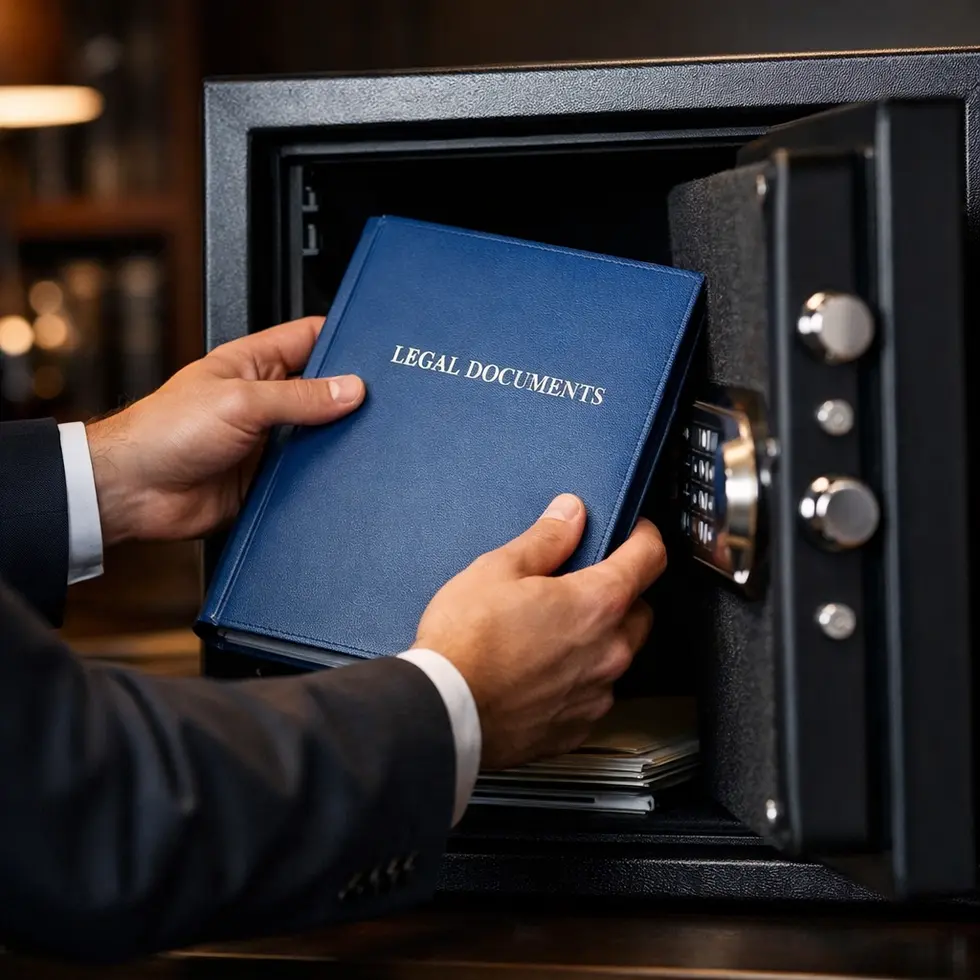
The best estate plan in the world is useless if no one can find it. Once your documents are signed, sealed, and delivered, you need a plan for where they will live.
- Secure Storage: We recommend keeping the original documents in a fireproof safe, or a safety deposit box that someone in addition to you has access to. At Gonsalves-Sabola Chambers, we often hold original documents for our clients in our secure vault to ensure they are safe and accessible when needed.
- The Supreme Court Registry: You can lodge an original Will at the Probate Registry of the Supreme Court for a fee.
- Digital Backups: While the Supreme Court usually requires the original physical Will, having a digital scan can help your family start the process while they locate the original.
- Communication: You don't have to tell everyone exactly how much they are getting, but your Executor needs to know where the Will is kept. It's also helpful to provide them with a "Letter of Wishes": a non-legal document that explains the "why" behind your decisions.
Estate planning is not a "set it and forget it" task. Life changes. You might buy more property, get married, or welcome a new grandchild. We recommend reviewing your plan every 3 to 5 years, or after any major life event. You can read more about how often you should update your will on our blog.
Why Start Today?
The Bahamas is a beautiful place to live and invest, but our legal system requires order. Dying "intestate" (without a Will) means the government decides how your assets are split based on the Inheritance Act 2002. This rarely aligns perfectly with what people actually want for their families.
By following this 5-step roadmap, you are taking control. You are ensuring that your hard-earned assets stay in the hands of the people you love. You are preventing potential family conflict and making a difficult time just a little bit easier for those you leave behind.
At Gonsalves-Sabola Chambers, we specialize in making this process as smooth and stress-free as possible. Whether you are navigating divorce and child custody issues that complicate your estate or you're a business owner concerned about minority shareholder disputes, our team is here to help.
Ready to start your roadmap?
Don't wait for "eventually." Let's get your estate plan sorted so you can get back to enjoying life in the 242.
Contact us today to schedule your consultation:
- Visit our website: www.gschambers.com
- Meet our team: M. Margaret Gonsalves-Sabola
- Explore our services: Wills, Estates & Trusts
Your legacy deserves the best protection. Let's build it together.

Comments
There are no comments for this post. Be the first and Add your Comment below.
Leave a Comment