
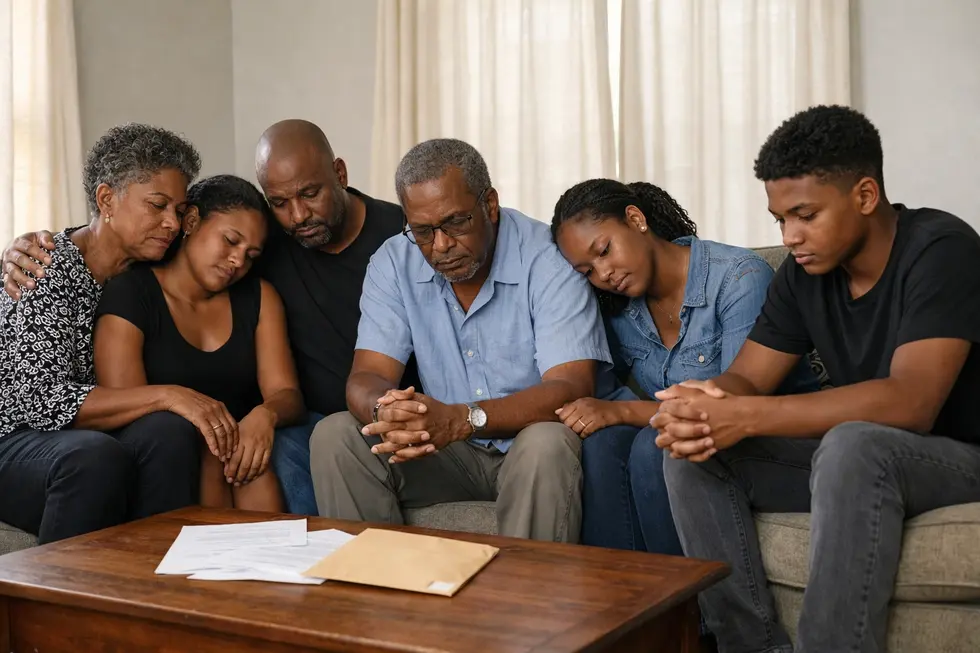
Losing a loved one is one of life's most profound challenges. Amidst the grief and the emotional weight of a loss, there is an immediate and often overwhelming list of practical, legal, and administrative tasks that must be addressed. When a death occurs in The Bahamas, whether your loved one was a resident or a visitor, navigating the local procedures requires a steady hand and a clear roadmap.
At Gonsalves-Sabola Chambers, we understand that this is a vulnerable time. While you focus on honoring your loved one's memory, we are here to help you navigate the complexities of the Bahamian legal system. This guide provides a comprehensive, step-by-step checklist to help you manage the immediate requirements and prepare for the long-term administration of the estate.
First: Immediate Steps and Identification
The very first actions following a death are the most critical from a procedural standpoint. In The Bahamas, the law requires specific steps to be taken before any further arrangements can be made.
- Formal Identification: The deceased must be formally identified. This is typically done at the morgue by a family member, close friend, or a colleague. You will need to bring the deceased's passport or a valid government-issued photo ID. You will be required to sign a form confirming the identity.
- The Medical Certificate of Death: If the death occurred in a hospital, the attending physician will issue a Medical Certificate of Death. If the death occurred at home, you must contact a doctor or the police immediately. A doctor must certify the cause of death before the body can be moved to a funeral home.
- Police Involvement: If the death was sudden, accidental, or occurred under suspicious circumstances, the police must be notified. In these cases, the Coroner will likely order an autopsy (post-mortem) to determine the cause of death. It is important to note that during an autopsy, tissue samples may be retained for toxicology without explicit family consent, though these are typically handled with the utmost respect.
Second: Official Registration and Documentation
Once the medical certificate is secured, the death must be registered with the government. This is the foundation for all future legal actions, including funeral arrangements and the probate of a will.
- Registering the Death: You (or your appointed funeral director) must submit the Medical Certificate of Death to the Registrar General's Department.
- Obtaining the Death Certificate: The official Death Certificate is usually issued within a few days of registration. If a Coroner's inquest is required, this may take longer.
- Certified Copies: We strongly recommend ordering several certified copies of the death certificate. You will need these for banks, insurance companies, and utility providers. In The Bahamas, these can be requested for a nominal fee of $10.00 each.
- Next of Kin Authority: Under Bahamian law, the "next of kin" (defined as a legal spouse or the closest living blood relative) holds the authority to make decisions. It is important to note that The Bahamas does not currently recognize same-sex partners as next of kin, which may require additional legal documentation if such a person is meant to handle the affairs.
Third: Searching for the Will and Estate Planning Documents
Before making permanent arrangements or distributing assets, you must determine if the deceased left a last will and testament. This document is the "rule book" for how the estate will be handled.
First, check the deceased's home, safe deposit boxes, or personal files. Often, people keep a copy of their will at home while the original is held by their attorney. If you are unsure where the will is, you may need to contact the law firms the deceased frequented.
If a will is found, it will name an Executor. This is the person legally responsible for carrying out the deceased's wishes. If no will is found, the person is said to have died "intestate," and the estate will be distributed according to the laws of The Bahamas, which often requires a different legal process called applying for Letters of Administration.
If you find that the will is outdated or if you are concerned about your own estate plan after this experience, you may want to review how often you should update your own will.
Fourth: Engaging a Funeral Director
In The Bahamas, funeral directors play a vital role beyond just the service. They act as intermediaries with the government and medical facilities.
- Local Services: If the burial or cremation is to take place in The Bahamas, a local funeral director will handle the transportation of the body, the application for a burial permit, and the coordination of the service.
- Cremation: If you choose cremation, be aware that Bahamian law requires a signature from a second doctor on the death certificate before the procedure can proceed.
- Repatriation: If the deceased was a foreign national and the family wishes to return the body to their home country, you will need a funeral director experienced in international repatriation. They will coordinate with the relevant embassy and ensure all international health and transport regulations are met, including obtaining an embalming certificate and a "freedom from infection" certificate.
Fifth: Managing the Estate and Protecting Assets
While the funeral is the immediate priority, the legal protection of the deceased's assets must begin almost simultaneously.
- Secure the Property: Ensure the deceased's home and physical belongings are secure.
- Notify Financial Institutions: Contact banks and investment firms. Once notified, they will typically freeze accounts until the court grants Probate or Letters of Administration.
- Review Business Interests: If the deceased owned a business or held shares in an International Business Company (IBC), specific steps must be taken to ensure business continuity. You can learn more about doing business in The Bahamas to understand the regulatory environment for these assets.
- Cancel Passports and Subscriptions: To prevent identity theft, the deceased's passport should eventually be cancelled, though you should wait until after any necessary repatriation travel is completed.
Sixth: When to Contact an Attorney
You might wonder at what point a lawyer becomes necessary. While some administrative tasks can be handled by the family, the legal transfer of assets in The Bahamas almost always requires professional legal counsel.
You should contact an attorney if:
- You need to apply for Probate: The Supreme Court of The Bahamas must "prove" the will before the Executor can distribute assets like real estate or large bank balances.
- There is no Will: If the deceased died intestate, an attorney is required to help the next of kin apply for Letters of Administration.
- The Estate is Complex: If there are international assets, business holdings, or potential disputes among heirs, expert legal guidance is essential to avoid lengthy litigation.
- There are Minor Children: If the deceased left behind children under 18, legal steps must be taken regarding guardianship and trusts to ensure their future is protected. Our team is well-versed in matters involving child custody and family law.
At Gonsalves-Sabola Chambers, we provide compassionate and precise guidance through the Wills, Estates, and Trusts process. Our goal is to shoulder the legal burden so you can focus on your family.
Summary Checklist for Easy Reference
- Formally identify the body with a valid passport/ID.
- Obtain the Medical Certificate of Death from the doctor or hospital.
- Register the death at the Registrar General's Department.
- Order at least 5-10 certified copies of the Death Certificate.
- Locate the original Last Will and Testament.
- Appoint a funeral director (local or international).
- Notify banks, insurance companies, and the deceased's employer.
- Consult with an attorney to begin the Probate or Administration process.
Professional Guidance You Can Trust
Navigating the loss of a loved one is a journey no one should take alone. The legal requirements in The Bahamas are designed to protect the deceased's legacy, but they can be daunting without professional help.
Whether you are an executor needing to move through probate, or a family member trying to understand your rights in the absence of a will, we are here to provide the clarity you need. We invite you to learn more about our expertise by visiting our About page or contacting M. Margaret Gonsalves-Sabola directly.
If you are ready to begin the process of estate administration, or if you simply have questions about the steps outlined above, contact Gonsalves-Sabola Chambers today to schedule a consultation. Let us help you ensure that your loved one's final affairs are handled with the dignity and legal precision they deserve.

Comments
There are no comments for this post. Be the first and Add your Comment below.
Leave a Comment